


Cricket Pads Buying & Size Guide
How to Choose the Right Cricket Pads
Cricket pads are essential to avoid injuries. Leather cricket balls delivered by fast bowlers can travel at speeds of up to 140km/h. A standard men's cricket ball weighs between 155.9-163g. Because it is so compact and small, the force generated when it comes into contact with a bat or a part of the batter's body is concentrated over a very small area. According to the University of Sydney, the peak force of a cricket ball hitting a bat, is enough to lift a l.76 tonne car off the ground.
Needless to say, without proper protection, a single impact can result in severe injury.
Because of this injury risk, batters are required to wear leg pads/guards. This is mandatory in organised matches, junior competitions and club cricket across Australia. With the right cricket pads, correctly fitted, in addition to a cricket helmet and batting gloves, batting is a safe, fun and enjoyable element of the popular sport.
There is more to choosing pads than avoiding injuries however. Cricket pads must feel comfortable and allow freedom of movement for running and adjustments when batting. In this guide we will explain what to look out for when buying cricket pads for yourself, a team, or a loved one. These tips will help you to find pads that provide maximum protection and allow you to perform to your full potential.

Why Cricket Pads Matter
Cricket pads protect key vulnerable areas including the knees, shins and lower thighs. The benefits of high-quality cricket pads go beyond the physical protection, providing the peace of mind and comfort that allows batters to focus on the ball, without fear of injury or any distractions caused by poorly designed pads. Getting high-quality pads, that are the correct size, can also make a significant difference in terms of the batter's ability to sprint between the wickets and score runs.
Cricket Pad Parts
Understanding the key components of a cricket pad helps you assess protection, comfort, and build quality at a glance.
Top Hat- Upper part of the pad and of the knee roll. Protects the lower thigh.
Knee Roll- Cushioned padding in horizontal rolls/panels. Protects the knee while allowing flexion and extension.
Face- Largest, main protective surface that covers front of shin and lower thigh. High protection through layers of padding
Wings- Side protection panels that cover the inner and outer calf (wider on batting pads).
Instep- Lower padded area. Protects the shin.
Inners- The soft inner lining that provides comfort against player's leg
Straps- Adjustable straps. Keep pads stable & secure whilst moving.

Types of Cricket Pads
There are generally thought to be three main types of cricket pads. Understanding the different types of cricket pads is the first step in ensuring you make an informed purchase. Pads are specialised pieces of equipment. Those designed for a wicket-keeper are fundamentally different from those worn by a batter, reflecting the unique movement demands of each position.
The table below outlines the key differences in design, function, and priority for the three main categories of leg protection in cricket.
| Comparing Cricket Pad Types | ||
|---|---|---|
| Pad Type | Primary Function | Design Characteristics |
| 1. Batting Pads | Absorb high-velocity impact from the ball. | Full coverage (shin, knee, lower thigh). Thick, layered padding (cane/HDF). Designed for forward play and running between wickets. |
| 2. Wicket-Keeping Pads | Protect shins/knees from deflections and throws. | Shorter, thinner, and lighter. Prioritises flexibility for squatting, shuffling, and diving. |
| 3. Junior Pads | Provide scaled protection for young players. | Scaled-down batting-pad design with lighter materials to reduce restriction. Contoured fit for children’s legs. |
There are additional pads that some players wear, including thigh pads and body guards, that are covered in this guide. Additional protective gear includes helmets, neck protectors and gloves.
Junior pads offer some protection, but below the age of 12, balls are usually softer and plastic with only a limited risk of injury. Junior pads can therefore be seen as a way of players learning correct technique and confidence whilst wearing pads that would otherwise feel strange if introduced at only the senior age/stage.
Wicket keeping pads offer protection, but need to allow for agility in all directions. They are therefore generally less comprehensive and smaller than most batting pads.
Measuring for Batting Pads & Wicket Keeper Pads
-
Measure from the centre of the kneecap to the top of the foot to determine the pad height required
-
Compare the length with the size table below to find the recommended size for the player’s height (more accurate than matching by age)
Players with wider calves and thighs, will want to ensure that the pads include adjustable straps.

| Batting Pads Size Guide | ||
|---|---|---|
| Size | Player Height | Measurement |
| Junior | 137–157 cm (4'6" – 5'2") | 33–35 cm (13.0–13.8") |
| Youth | 157–165 cm (5'2" – 5'5") | 36–38 cm (14.2–15.0") |
| Small Adult | 165–173 cm (5'5" – 5'8") | 39–41 cm (15.4–16.1") |
| Adult | 173–183 cm (5'8" – 6'0") | 42–44 cm (16.5–17.3") |
| Large Adult | 183–193 cm (6'0" – 6'4") | 47–49 cm (18.5–19.3") |
If a player falls between sizes, we recommend sizing up for improved coverage and comfort.
While you measure for wicket-keeping pads using the same technique as batting pads, wicket-keeping pads are shorter and lighter than batting pads. Wicket-keeping pad of a certain size may list smaller actual dimensions, which can be confusing at first.

| Cricket Wicket Keeping Pads Size Guide (Australia) | |||
|---|---|---|---|
| Size | Player Height | Height (cm) | Pad Measurement |
| Junior | 4'6" – 5'3" | 137 – 160 cm | 34 – 36 cm |
| Youth | 5'3" – 5'8" | 160 – 173 cm | 36 – 38 cm |
| Adult | 5'8" – 6'0" | 173 – 183 cm | 40 – 42 cm |
| Large Adult | 6'0" – 6'4" | 183 – 193 cm | 47 – 49 cm |
Note: Wicket keeping pad measurements are taken from the top of the instep to the centre of the knee roll.
Common Measuring Mistakes
Measuring from the wrong points - A frequent mistake is measuring from the top or bottom of the kneecap, rather than the centre. Even a few centimetres can push a player into the wrong size.
Measuring while wearing shoes or pads - Measurements should always be taken barefoot or in socks. Wearing trainers or shoes can skew the measurement significantly.
Choosing pad size based on age alone - leg length varies significantly between players of the same age.
How Cricket Pads Should Fit: The Ultimate Checklist
If a pad is poorly fitted, it will twist and slip while running or leave gaps in your protection.
If possible wear your cricket shoes and trousers when trying on pads.
When trying on your new pads, follow this 5-Point Fit Check:
1. The Golden Rule: Knee Roll Alignment
This is the most critical check. The cushioned knee roll must sit exactly over your kneecap.
Why? The knee roll is the hinge of the pad. If your knee is below the roll, the pad won't bend when you lunge forward to play a shot. This causes the top of the pad to dig into your thigh.
The Check: Bend your knee 90 degrees. The knee roll should cup your knee naturally.
2. The Instep Interaction (The Shoe Test)
Wear your cricket shoes (and spikes) when fitting pads. The bottom of the pad (the instep) should rest on the tongue of your shoe or just above the laces.
Too Long: The pad will dig into your foot/toes, making it painful to crouch.
Too Short: Your ankle and lower shin are exposed to yorkers.
3. The "Two-Finger" Strap Rule
Straps keep the pad secure, but tightness cuts off circulation. This is uncomfortable and can cause cramping and chaffing.
The Check: Tighten the straps so the pad doesn't slip. Ensure you can still slide two fingers underneath the strap against your leg. This allows your calf muscles to expand and contract as you run.
4. Width and Wrap
The pad should wrap slightly around the leg to protect the sides of your calves and knees. However the two pads should not clash together when you run.
The Walk Test: Walk briskly. If the insides of the pads rub or hit together heavily, they may be too wide or bulky for your stance.
5. The Top Flap (Thigh Clearance)
Check the distance between the top of the cricket pad and your thigh pad. There should be a small overlap or a tight seal, but they shouldn't push against each other. If the cricket pad is too high, it will dislodge your thigh pad every time you run.
Don't Just Stand There: The Dynamic Test
Do not assess the fit while standing straight up in front of a mirror. Add some movement too.
Do a lunge: Simulate a front-foot defensive shot. Does the pad pinch?
Shadow bat: Play a few shots. Does the pad twist out of place?
Crouch: Get into a wicket-keeping or fielding crouch. Does the instep dig into your foot?
After this comprehensive list of checks, you should be confident that you have the correct size.

Cricket Pad Materials
In addition to the design, the fit, and the quality of construction, the materials used in cricket pads have a direct bearing on the durability, performance and comfort. Higher-quality materials improve safety and give a more natural feeling with greater freedom of movement.
Outer Shell Materials
The first line of defence, the outer shell is part of the pad's exterior, it's part of the exterior that holds the pads together and protects the inner padding from moisture, dirt and abrasions.
PVC/Vinyl - Durable and water-resistant, PVC is a highly cost effective option. Easy to clean, this material is great for recreational and youth cricket.
Polycarbonate - Lightweight but extremely strong, polycarbonate offers a higher level of protection without much additional bulk. A good option offering flexibility and value for money.
Fibreglass - Fibreglass is used in relatively small quantities in some cricket pads. It increases the stiffness of the pads, providing rigidity and durability. It is relatively lightweight in comparison to traditional materials and cost-effective.
Fibreglass is however less flexible and this can potentially make the pads less comfortable, as they are unlikely to mould and conform to fit the specific shape of the users legs. Fibreglass also has the potential to splinter, especially if it is not properly encased.
PU (Polyurethane) - With a similar look and feel to the traditional leather that was historically used for cricket pads, PU offers a higher level of water resistance and is easier to maintain. A supreme balance of strength, durability and shock absorbing qualities. Designed to work with the foam and cane rods beneath it, PU spreads the impact of a cricket ball more effectively than traditional materials, and cheaper alternatives.
For the best balance of comfort, protection, and value, look for PU outer shells with HDF and cane or composite rods.
To summarise - most players benefit from PU outer shells combined with high-density foam and cane or composite rods. This offers the best balance of protection, comfort, and durability.
Padding Types
High Density Foam & Diffuser Foam - Best for absorbing and dispersing high-speed impact force from a cricket ball. HDF is a lightweight material that deforms momentarily upon impact. This draws kinetic energy away from the leg as the foam dissipates it.
Diffuser foam (as seen in the FORTRESS Original 300) used with high density foam. It acts as a layer that works with high density foam to further distribute the impact of the ball over a wider area before it any residual force reaches the leg.
Cane, Composite Rods, & Plastic Fibres - These are the traditional structural elements, placed vertically inside the pad's chambers. They maintain the pad's rigid shape. They stop the pad from collapsing on impact, and act as a hard barrier to initially resist the ball's force.
Gel Zone / Innovative Inserts - Modern, targeted protection. Gel materials are highly effective at localised energy absorption,. They work especially well for critical, sensitive areas like the knee. They also facilitate seamless flexibility, needed for a comfortable batting stance and movement. The innovative gel-zone knee (in Original 100 pads) is a premium feature. Teamed with bolsters, for unbeatable front protection. It enables batters to flex effortlessly and ensure smooth weight transfer.
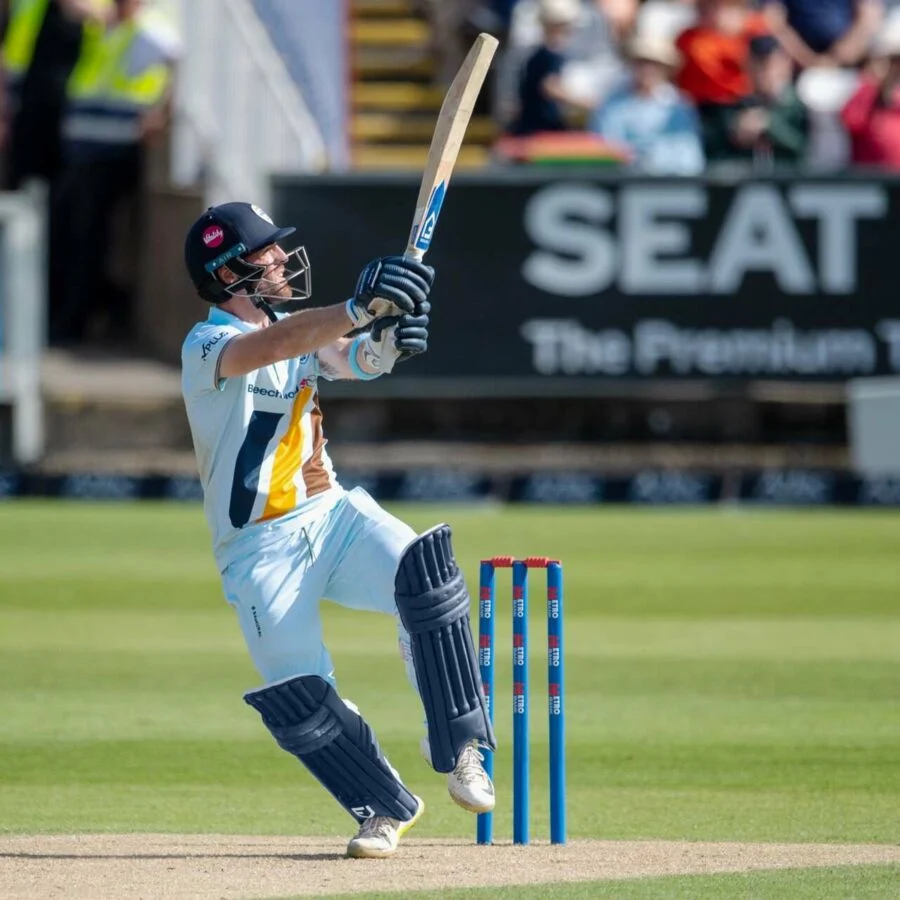
Cotton, Synthetic, Mesh, & Cashmilon Liners - These materials form the inner layer (against the skin/clothes). Their primary function is to improve comfort. The act by cushioning the leg and managing moisture through sweat-wicking properties. Cashmilon is a synthetic fibre often used for its soft, wool-like feel and cushioning ability. The Original 100 pads feature a sweat wicking mesh design cover on the vertical bolster to keep you cool. The Original 300 pads has a blend of cashmilon & diffuser foam padding interior. Designed for comfort and a cooling ventilation lining for breathability.
Pad Straps
The strap system is crucial to keep the pads secure. The straps keep the pads fitting comfortably and securely in position. As batting involves explosive, sprinting movements and changes in direction, the straps ensure the pads don't shift and impede any movement and remain in place to protect vulnerable areas.
Hook & Loop Fastening (Velcro) - This is the universal choice in modern pad design. It uses a traditional 3-strap design around the knee, calf, and ankle. The closures are secured using a hook-and-loop closure (often referred to as 'Velcro'). This provides a quick, adjustable, and very secure hold with minimal added weight.
This design is ideal for the fast-paced nature of short-form cricket. The FORTRESS Original 100 pads feature a traditional 3 strap design with hook & loop fastening. In addition comfort is enhanced by lining the straps with a thin layer of comfort foam. This foam also protects the integrity of the fasteners.
Elastic Straps - Sometimes found on the lower strap or integrated with the main strap material. Elastic offers a comfortable fit that conforms to the shape of a player's leg. Straps containing elastic and elastin are often combined with Velcro-type closures.
Buckle Straps (Traditional) - These use a classic leather or heavy nylon strap secured by a metal buckle. Provides an unyielding and secure hold, but they are heavier and sometimes pinch the skin.

| Cricket Pad Materials Guide | ||
|---|---|---|
| Component/Material | Key Characteristics | Primary Benefit |
| PVC / Vinyl (Shell) | Durable, water-resistant, and cost-effective. | Easy to clean; ideal for youth/recreational play. |
| PU Polyurethane (Shell) | Leather-like feel with high durability and water resistance. | Supreme balance of comfort, strength, and protection. |
| Polycarbonate (Shell) | Extremely strong yet lightweight material. | High-level protection without added bulk. |
| Fibreglass (Shell) | Rigid and durable but less flexible. | Increases pad stiffness and structural longevity. |
| High Density Foam (HDF) | Lightweight foam that absorbs high-speed impacts. | Maximum shock absorption with minimal weight. |
| Cane & Composite Rods | Traditional vertical structural elements. | Rigid barrier that prevents pad collapse on impact. |
| Gel Zone Inserts | Localised energy absorption in sensitive areas. | Enhanced flexibility and protection for the kneecap. |
| Mesh & Cashmilon Liners | Soft, breathable inner materials. | Sweat-wicking and cooling for long innings. |
| Hook & Loop (Velcro) | Standard 3-strap adjustable fastening system. | Quick, lightweight, and secure fit for fast movement. |
Optimising Performance: Hybrid Materials
FORTRESS pads use classic cane designs with modern synthetic materials. They deliver pro-level protection without the bulk of traditional pads.
Layered Protection Strategy Outer Shield (PU Leather) - The exterior is made from premium PU. The tough, water-resistant material, looks like leather but handles moisture far better. The outer skin spreads impact forces and keeps its looks like new for longer.
Structural Core (Cane & HDF) - Traditional cane or composite rods create a firm spine that resists deformation. Around them, layers of High-Density Foam absorb and neutralise shock. This provides a two-stage barrier that deadens ball strikes and absorbs impact forces.
Targeted Defensive Zones - Vulnerable areas like the shin and knee, have additional layers of diffuser foam. These areas often take the brunt of and have less muscle to protect them. It's for these reasons that the protection is enhanced.
Climate Control & Comfort Protection - The pads are ventilated to keep you fresh, and move with you.
Thermal Regulation - Ventilated mesh runs through the vertical bolsters to channel airflow. It pulls heat out, keeping you cool through long innings.
Soft-Touch Linings - Inside, a soft blend of Cashmilon and cotton rests against your leg. It’s smooth, gentle, and stops chafing, which is common in stiffer synthetics.
Anti-Rub Straps - Each strap has its own foam lining. It cushions the skin and stops Velcro edges from digging in, even when you’re sprinting between wickets. Secure, silent, and comfortable from first ball to last.
The Rise of Coloured Cricket Pads
Coloured cricket pads, are often seen in limited-overs formats and professional cricket leagues. Beyond just aesthetics, coloured pads are ideal for:
Team Identity - they allow players to coordinate their protective gear with their team colours. This provides a unified, professional look on the field.
Sponsor Visibility - The increased surface area and colour enhance the visibility of team and sponsors. Sponsorship and the club as a brand, are often critical for the survival and prosperity of clubs.
Coloured pads are constructed from the same high-specification materials as traditional white designs.
Materials - They often use a coloured PU outer shell, offering the same lightweight feel, and water-resistance as white pads.
Sizing & Fit- The dimensions and protective layering are identical to white pads. This ensures you get the exact same level of safety and mobility.
At Net World Sports, we supply a wide range of top-spec FORTRESS coloured cricket pads. Available in five vibrant colours, you can coordinate with almost any team kit. The coloured pads are also available in five sizes: across Junior, Youth, and Adult sizes to suit all ages and heights. You can also choose from both Left-Hand and Right-Hand dominant pads for an ergonomic fit.
Cricket Thigh Guards
Cricket thigh guards are designed to protect the upper thigh which pads don't cover. They offer added confidence and safety at the crease.
Why Wear a Thigh Guard?
- Protection from Short-Pitched Deliveries
Cushioned padding helps absorb impact from fast deliveries. - Confidence Against Fast Bowlers
Allows batters to focus and bat without hesitation.
FORTRESS Thigh Pad Features
- High-Density EVA Foam
Dual-layer padding provides excellent shock absorption - Lightweight, Low-Profile Design
Ensures unrestricted movement when playing shots and running. - Adjustable & Ambidextrous Fit
Two touch-fastening straps allow for a secure, custom fit. - Comfort & Hygiene
Towel-lined interior improves comfort and makes cleaning easy.

For batters facing consistent short-pitched bowling, higher levels of pace, or with a pre-existing injury, more protection may be required. Additional lower-body protection can offer even greater peace of mind and a higher level of safety. While thigh guards protect key impact zones, some players prefer extended coverage for both the inner and outer thigh.
Lower body guards provide protection across both the inner and outer thigh. They provide confidence and coverage for players facing faster bowling and for those not used to a standard cricket ball.
Why Wear a Lower Body Guard?
- Extended Thigh Protection
Provides wider coverage across the inner and outer thigh. - Confidence Against Fast Bowlers
Allows batters to focus and bat without hesitation.
FORTRESS Thigh Pad Features
- High-Density EVA Foam
Dual-layer padding provides excellent shock absorption - Lightweight, Low-Profile Design
Ensures unrestricted movement when playing shots and running. - Adjustable & Ambidextrous Fit
Two touch-fastening straps allow for a secure, custom fit. - Comfort & Hygiene
Towel-lined interior improves comfort and makes cleaning easy.

Thigh guards offer targeted protection for the lead leg. Lower body guards provide extended protection across both the inner and outer thigh.
Cricket Pad FAQs
Batting Pads vs Wicket Keeping Pads - What’s the difference?
Batting pads are designed to prioritise protection whilst allowing for linear movement in terms of running and batting. Wicket keeping pads on the other hand, prioritise freedom of movement in multiple directions, and as such are lighter and have less padding than batting pads.
Below the main differences between batting and wicket keeping pads are listed:
- Top Hat - Top of the pad, that extends over the knee & protects the thigh
- Knee Roll - Protects the knee & provides some flexibility. Small or absent on wicket keeping pads.
- Side Wings - Provide protection to the sides of the leg. Wider on batting pads to cover deliveries from different angles
- Face - Front panel of the pads. Stiffer & more padded on batting pads
- Straps - Adjustable straps for a secure fit. Wicket keeping pads usually have only 2 straps to allow for greater movement
- Instep - Protects the foot. Thicker on batting pads.

How do you stop cricket pads from squeaking?
If your cricket pads are squeaking, it is often because of friction between parts of the pads or moisture build up within them.
If you are experiencing this you should consult the manufacturer’s instructions first.
-
Adjust the straps. Overly tight or loose pads can often rub and squeak. The straps should be snug but comfortable.
-
Check with manufacturer's instructions before, but if it is okay - apply baby powder, silicone spray or petroleum jelly to reduce friction on specific parts of the pads.
-
Break the pads in/wear the pads for a bit longer - new pads can be hard and squeak
-
If the pads are rubbing on your leg, try wearing compression leggings.
-
Check for any loose stitching or loose padding
-
Air out the pads in a cool, dry, and ventilated area. Moisture can cause the inner padding to break down which might cause creaking noises

How do you run with cricket pads on?
To run efficiently with cricket pads on, first ensure that you have the right size pads and that the straps are fitted correctly. The pads should cover the knee but not extend too far over the foot.
The pads should fit snugly, but allow for freedom of movement without moving around or slipping down.
Keep your bat close to your body so that it doesn’t swing out too widely which can affect balance and waste energy. Finally, be sure to break in your pads properly before a match, during training, and practice running with your pads on.
When turning remember to sink your centre of gravity and push hard off the ground to accelerate into the next run and in the opposite direction.
How do you wash cricket pads?
Always consult the manufacturer’s instructions and/or contact the manufacturer before washing the pads.
As a general guideline:
1. Brush off loose dirt
- Use a soft brush or dry cloth to remove loose dirt, dust, loose mud and debris from the pad's surface.
2. Wipe with a damp cloth & a few drops of mild soap
- Using lukewarm water and a few drops of mild soap such as hand soap, wipe the pads down with a cloth.
- Don't use too much water and avoid soaking the pads. Water can damage the pads inside, as can using harsh chemicals, bleach or hot water.
- Pay attention to getting inside and around all the grooves. Replace the cloth if it becomes dirty.
- Finally rinse away any soapy residue - wipe down with lukewarm water and no soap.
3. Use a soft brush with soap or mild cleaner to scrub the straps and inner padding
- Uuse a soft brush with lukewarm water and a small amount of mild soap to scrub the areas that come into contact with your legs.
- Mix a small amount of baking soda with water to lightly scrub or rub on stained areas.
4. Dry out the pads
- Ideally dry the pads outdoors, away from direct sunlight and direct sources of heat. Avoid drying them near a radiator or heater for example and do not tumble dry the pads.
- Ensure the pads are completely dry before putting them into storage.
-
Store the pads correctly in a cool dry place
- Avoid wrapping the pads in a bag or air tight liner, as this could cause moisture to build up. Keep them well ventilated.
How do you identify left and right cricket pads?
To find out which pad is for which leg - first see if there is a label. Many cricket pads will be labelled with a “left” and a “right” label, or “L” and “R” .
Look for extra padding. If you are a right handed batsman, then your left batting pad will feature the additional padding. This extra padding will include a side wing, and sometimes the instep and face.
When fastening the straps, they should fasten on the outside of your legs. So the right leg should fasten to the right of your right leg and vice versa. Finally, if the knee roll feels uncomfortable, and is not aligned perfectly with your knee, you may have the pads on the wrong legs.
The comfort and movement of both of the pads can also give an indication as to which batting pads is for the left leg, and which is for the right. If either of the pads feel uncomfortable or particularly restrictive in terms of the freedom of movement afforded by them, you can double check to make sure you have the correct pad on the correct leg.

How do you wear cricket pads correctly?
Wearing cricket pads correctly is essential for comfort, freedom of movement, and protection. Follow these steps to ensure your pads fit properly and perform as intended.
- Identify the correct pad for each leg. Cricket pads are designed differently for the lead and non-lead leg. Right-handed batters should wear the more heavily padded guard on the left leg. Left-handed batters should wear extra-padded guard on the right leg.
- Align the knee roll correctly. The cushioned knee roll at the top of the pad should sit directly over your kneecap. This allows natural movement and full knee protection.
- Check the pad length. The bottom of the pad should rest over the top of your boot’s tongue. However it should not extend so far that it interferes with your stride.
- Fasten the straps in the correct order. Start with the middle strap to hold the pad in position on your leg. Follow this by fastening the top strap for stability, and finish with the bottom strap. Each strap should feel secure without restricting circulation or movement.
- Fine-tune the fit. Adjust strap tightness to keep the pads in place while still allowing you to run, turn, and bat comfortably.
- Test movement. Walk, jog, and change direction while wearing the pads to ensure they remain secure and don’t rub together. Make small adjustments if needed.
- Wear suitable underlayers. Long cricket socks or base layer tights can help prevent strap irritation and improve overall comfort.
Conclusion - Choosing the Right Pads for Performance & Safety
Selecting the right cricket pads plays a crucial role in performance, enjoyment and safety. Pads should provide comfort, full movement, and the protection needed to face bowlers with confidence. Whether you’re seeking maximum protection or prioritising agility, choosing the right pads that fit correctly can make all the difference.
Understanding pad design helps ensure you invest in equipment that supports your game rather than restricts it. From training to competitive matches, high-quality cricket pads allow you to focus on your performance.
At Net World Sports, we supply a wide range of cricket batting and wicket keeping pads. We also supply elite players and pro teams with cricket helmets, gloves, and training equipment. Used by professional teams like Durham County Cricket Club, we deliver cricket equipment including a wide array of batting equipment, wicket keeping equipment and cricket cages. Great value, designed by our in-house team, invest in your game with FORTRESS.


